Flashing OpenWrt on the Xiaomi Nano WiFi Router
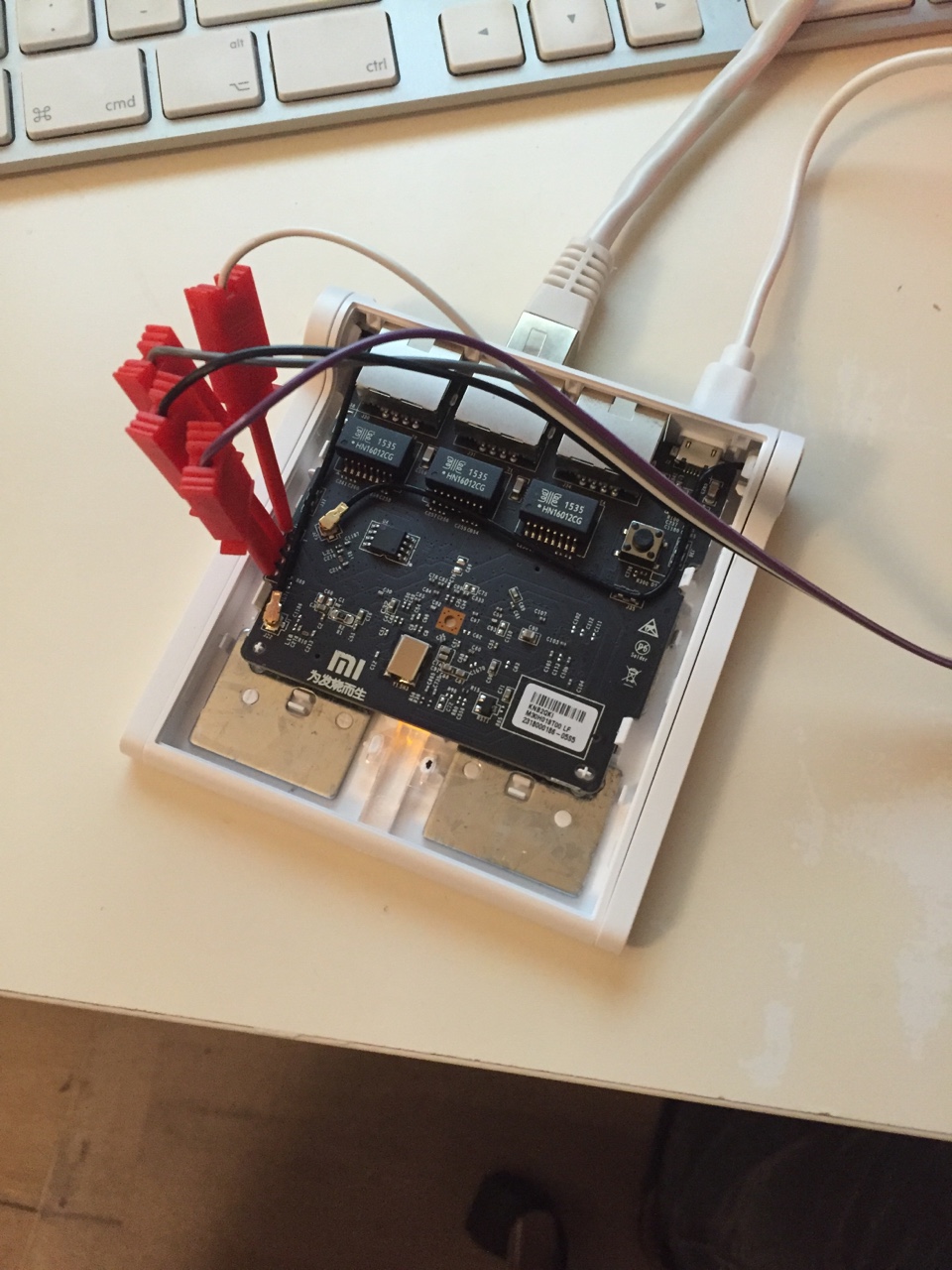
The Xiaomi Nano WiFi Router is a compact, surprisingly capable device — available for around 13 EUR, making it an ideal replacement for a Raspberry Pi-based hotspot setup. With 3 LAN ports built in, it also eliminates the need for a separate switch.
Why replace the stock firmware?
Consumer routers from Chinese manufacturers often ship with firmware that phones home to servers in China, includes undocumented telemetry, or lacks timely security patches. While Xiaomi does offer an English-language ROM, it’s not an official release. Flashing OpenWrt replaces the entire firmware stack with a well-audited, open-source alternative — giving full control over routing, firewall rules, DNS, and package management.
OpenWrt and the LEDE fork
At the time of writing (2016), the OpenWrt project had forked into LEDE (Linux Embedded Development Environment) due to internal governance disputes. LEDE focused on faster release cycles and more transparent development. For the Xiaomi Nano, using the development trunk (“Designated Driver”) rather than the stable Chaos Calmer 15.05 release was recommended, as it included better WiFi driver support for the device’s radio module.
Update: The two projects merged back in 2018 under the OpenWrt name, incorporating LEDE’s improvements.
Hardware debugging
If something goes wrong during the flash, the router’s bottom cover can be easily removed with a plastic card. This exposes UART pins for serial console access — connect a USB-to-serial adapter (e.g. FT232RL) to read boot logs and recover the device.